“Just replace the screen” sounds simple, but on an iPhone, the screen isn’t a single piece of glass sitting on top of the phone it’s a multi layered assembly, and what actually needs replacing depends on how deep the damage goes. Here’s the real difference between a glass only repair and a full display replacement, and how to know which one your phone needs.
- Intro
- What’s Actually Inside an iPhone Screen?
- Glass Only Repair vs. Full Display Replacement
- When Glass Only Repair Is an Option
- When You Need a Full Display Replacement
- Does Screen Repair Affect Face ID or True Tone?
- OEM vs. Aftermarket Displays: Does It Matter?
- How to Tell Which Repair You Need
- What Happens If You Ignore a Cracked Screen?
- Frequently Asked Questions
- Conclusion + CTA
What’s Actually Inside an iPhone Screen?
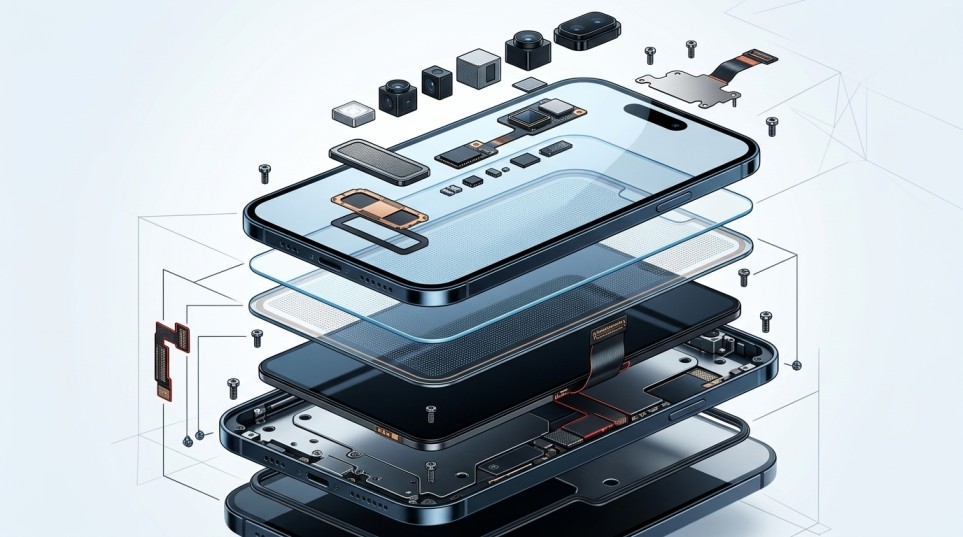
An iPhone’s display isn’t just glass. It’s a laminated assembly that includes:
- The outer glass (what you touch and what cracks)
- The digitizer (the layer that reads your touch input)
- The OLED or LCD display panel itself (what produces the image)
- On newer models, True Tone and Face ID related sensors integrated near the display
On most current iPhone models, these layers are fused together as a single unit which is exactly why “just the glass” isn’t always an option, and why the distinction matters for both function and cost.
Glass Only Repair vs. Full Display Replacement
|
Glass Only Repair |
Full Display Replacement |
|
|
What’s replaced |
Outer glass layer only |
Entire display assembly (glass + digitizer + panel) |
|
When it applies |
Cracked glass, digitizer and panel fully intact |
Touch issues, display defects, or fused assembly models |
|
Repair complexity |
Lower, when technically possible |
Moderate a self contained assembly swap |
|
Risk if damage is deeper than glass |
Can leave touch or display issues unresolved |
Resolves glass, touch, and display issues together |
On many current iPhone models, the glass, digitizer, and display panel are fused into one sealed unit, which means a true “glass only” repair isn’t physically possible without specialized separation equipment in practice, most professional repairs on modern iPhones are full display assembly replacements, even when the damage looks like “just a crack.”
When Glass Only Repair Is an Option
Glass only repair may be available when:
- The device model uses a separable glass layer (more common on older models)
- The crack is limited to the outer glass, with no touch or display issues
- A shop has the specialized equipment to safely separate the glass from the digitizer without damaging it
Even when technically possible, glass only repair carries some risk of digitizer damage during the separation process, which is why many shops recommend a full assembly replacement for reliability, especially on newer models.
When You Need a Full Display Replacement
A full display replacement is the right call and often the only real option when:
- Touch input is unresponsive or inconsistent, not just the glass being cracked
- There’s visible discoloration, dead pixels, or lines on the screen
- The glass has cracked deeply enough to affect the layers underneath
- The device model has a fused (non separable) display assembly
Does Screen Repair Affect Face ID or True Tone?
This is one of the most common concerns, and the honest answer depends on the repair quality:
- True Tone can be affected by a screen replacement on certain iPhone models, since it involves a pairing between the original screen and the device’s internal sensors. A quality repair using proper tools and calibration typically preserves True Tone function; a lower quality repair may not.
- Face ID hardware is located separately from the display (in the sensor housing/notch or Dynamic Island area), so a screen replacement alone does not typically affect Face ID but the repair should still be done carefully around that area to avoid incidental damage.
Ask your repair shop directly whether their process preserves True Tone calibration it’s a fair question, and a shop confident in their process should have a clear answer.
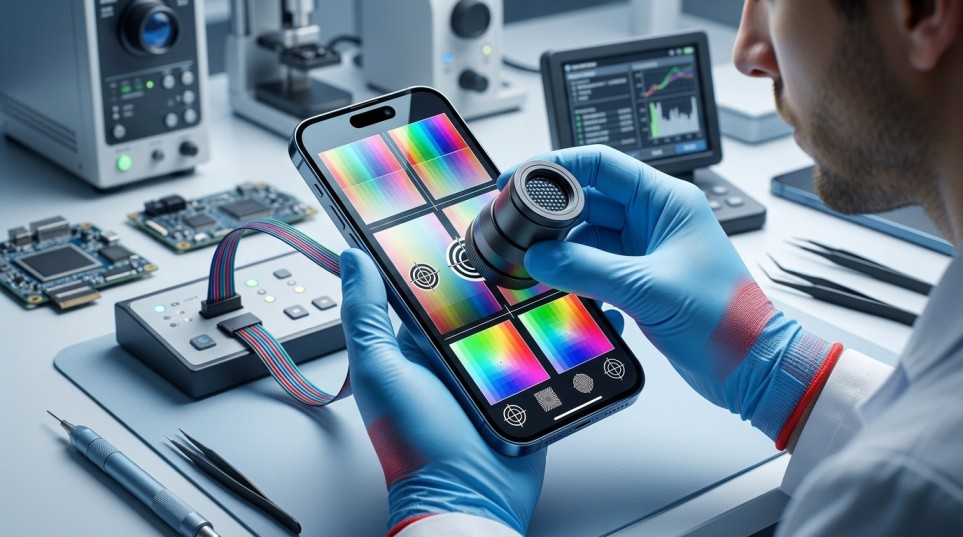
OEM vs. Aftermarket Displays: Does It Matter?
- OEM (original equipment manufacturer) displays match the original color accuracy, brightness, and touch response most closely, and are generally the safer choice for preserving True Tone function.
- Aftermarket displays vary significantly in quality by manufacturer some are very close to OEM quality, others show noticeable differences in color, brightness, or touch responsiveness.
A trustworthy repair shop should be transparent about which type of display they’re using and why, rather than leaving it unstated.
How to Tell Which Repair You Need
A quick self check before bringing it in:
- Is the crack limited to the surface, with touch working normally everywhere? → Possibly glass only, if your model supports it
- Is touch unresponsive in any area, or is there visible display distortion? → Full display replacement needed
- Is the phone a current generation model? → Very likely a fused display, meaning full replacement either way
Ultimately, a technician can confirm this quickly during a diagnostic see How Professional Phone Repair Technicians Diagnose Hardware Problems for what that process actually involves.
What Happens If You Ignore a Cracked Screen?
A cracked screen rarely stays exactly the same. Continued use typically leads to:
- Cracks spreading further across the display
- Glass shards working into the digitizer layer, turning a glass issue into a touch issue
- Dust and moisture entering through the broken seal, risking internal damage
- Cuts from sharp glass edges during normal use
Waiting doesn’t just risk a bigger repair bill it risks turning a display only issue into one that affects other components, covered in more detail in 10 Signs Your Phone Needs Professional Repair.
Frequently Asked Questions
Can I get just the glass replaced on my iPhone?
On some older models with a separable glass layer, yes. On most current iPhone models, the glass, digitizer, and display panel are fused into one unit, making a full display assembly replacement the standard repair.
Will a screen replacement break Face ID?
Not typically Face ID hardware is located separately from the display itself. A careful, professional repair should not affect Face ID function.
Does an iPhone screen replacement affect True Tone?
It can, depending on the repair quality and process used. A quality repair with proper calibration tools typically preserves True Tone; ask your shop directly about their process.
Is an OEM display worth the extra cost over an aftermarket one?
For most people, yes OEM displays most closely match the original color accuracy, brightness, and touch responsiveness, and are generally the safer choice for preserving True Tone.
How long does an iPhone screen or display repair take?
Most iPhone screen and display replacements are completed same day, often within an hour, when the part is in stock.
Can a cracked screen damage other parts of my phone if I wait?
Yes a broken screen compromises the phone’s seal against dust and moisture, and continued use can spread the crack into the touch sensing layer underneath.
Conclusion
“Screen repair” and “full display replacement” aren’t always two separate options on most current iPhones, they’re effectively the same repair, because the glass, digitizer, and display panel are fused into one assembly. What matters more than the terminology is getting an honest diagnostic that tells you exactly what your specific model and damage require. If you’re searching iPhone screen repair near me, bring it in for a free diagnostic iPhone repair El Paso is one of our most common same day repairs at Your Smartphone Solutions.
Get a Free Repair Quote | Call (915) 219 8440